
LCL vs FCL Shipping: Know the difference
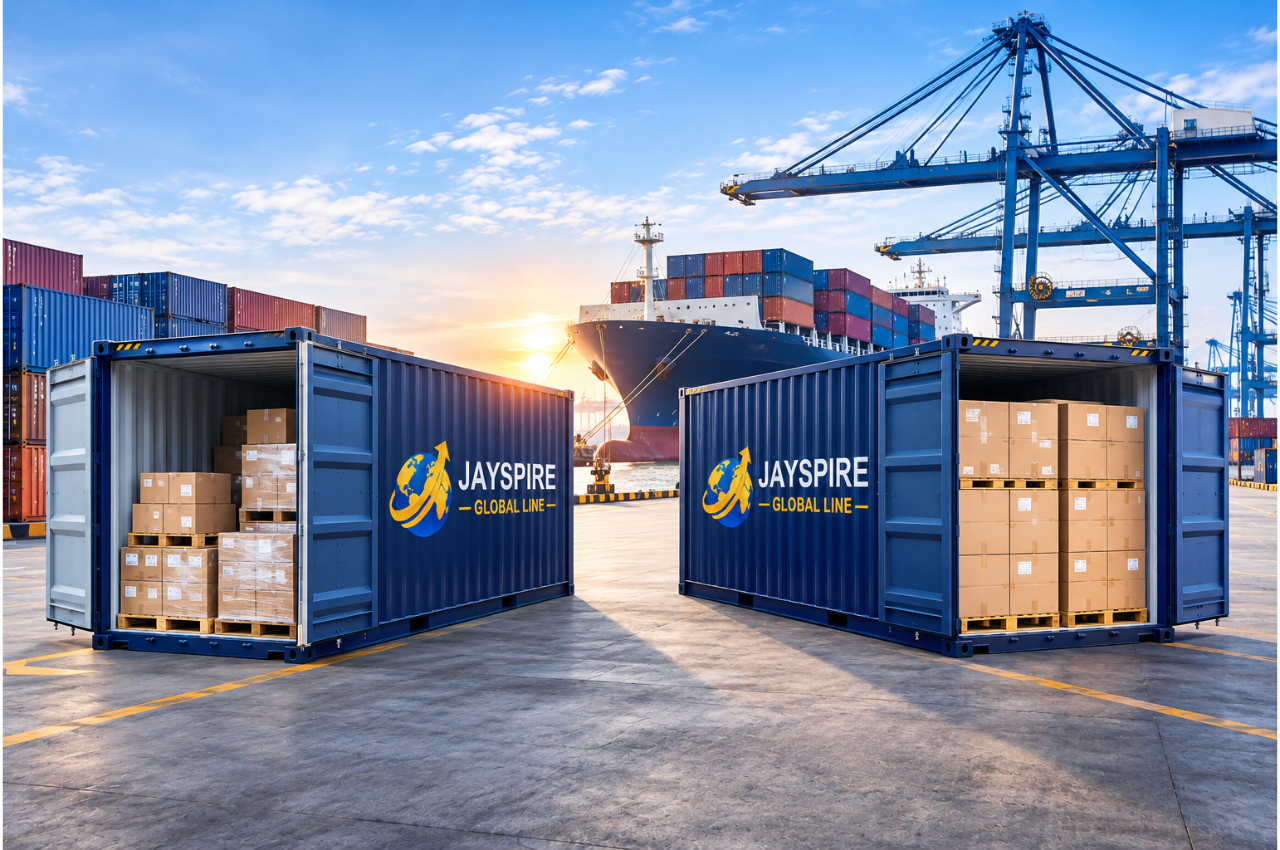
When shipping goods internationally, choosing between LCL and FCL can affect your shipping costs, transit time and overall logistics planning. Both options are widely used in sea freight, but the right choice depends on your cargo volume, budget and delivery requirements.
In this guide, Jayspire Global Line explains how LCL and FCL shipping work and how to choose the most suitable option for your business.
What Is LCL Shipping?
LCL stands for Less than Container Load. It is a shipping method where your cargo shares container space with shipments from other businesses. Instead of paying for an entire container, you generally pay based on the space or chargeable volume your cargo occupies, subject to the freight provider’s pricing rules and minimum charges. LCL is commonly used by businesses that ship smaller quantities of goods and do not have enough cargo to fill a full container.
Benefits of LCL Shipping
1. Suitable for Smaller Shipments
LCL is useful when you need to ship a limited quantity of goods without waiting until you have enough cargo to fill a container.
2. Pay for the Space You Use
Sharing container space can be more economical for smaller shipments than booking an entire container, although minimum charges and handling fees can affect the final cost.
3. Flexible Shipping Volumes
Businesses can arrange shipments according to their inventory needs, making LCL useful for smaller orders, samples and regular shipments of limited quantities.
What to Consider When Using LCL
LCL shipments need to be consolidated with other cargo before departure and separated at the destination. This can involve additional handling and may result in longer transit times than some comparable FCL services. Other considerations include consolidation schedules, cargo compatibility, handling charges and the risk of delays caused by other shipments in the same container.
What Is FCL Shipping?
FCL stands for Full Container Load. It means booking a container for your shipment rather than sharing the container space with other customers. Despite the name, your cargo does not necessarily need to fill every available space in the container. FCL can still be suitable when your shipment occupies only part of a container but you prefer a dedicated container for operational or handling reasons. Common container options include 20-foot and 40-foot containers, with the appropriate size depending on cargo volume, weight, dimensions and transport requirements.
Benefits of FCL Shipping
1. Dedicated Container Space
Your shipment is transported in a container booked for your cargo. This can be beneficial for larger shipments, bulk goods and businesses that prefer not to share container space.
2. Potentially Shorter Transit Time
FCL generally avoids the consolidation and deconsolidation processes required for LCL. This may reduce handling time, although actual transit time depends on the route, sailing schedule, port operations and customs clearance.
3. Suitable for Larger Cargo Volumes
When shipping a large quantity of goods, FCL may offer better value per unit of cargo than LCL. The actual savings depend on freight rates, container utilisation and destination charges.
4. Greater Control Over Cargo Handling
With FCL, the container is dedicated to your shipment, reducing the need to handle your goods together with other customers’ cargo during consolidation and deconsolidation. Proper packing and securing are still essential.
LCL vs FCL: What Are the Main Differences?
1. Container Space
LCL shipments share container space with cargo from other shippers. FCL shipments use a dedicated container booked for one shipment. For smaller cargo volumes, sharing space may make more sense. For larger shipments, a dedicated container can provide greater control over loading and cargo arrangements.
2. Shipping Costs
LCL charges are generally based on shipment volume or chargeable weight, together with applicable minimum charges and fees. FCL is generally priced per container, with additional charges depending on the route and service. LCL can be cost-effective for small shipments, while FCL may become more economical as cargo volume increases. Comparing the total door-to-door or port-to-port cost, rather than only the ocean freight rate, is important.
3. Transit Time
LCL usually requires additional time for cargo consolidation and deconsolidation. FCL can avoid these particular steps, potentially making it faster in some circumstances. However, neither option guarantees a shorter transit time. Sailing frequency, transhipment, port congestion, customs procedures and inland transportation can all affect delivery.
4. Cargo Handling and Security
LCL cargo is handled as part of a consolidated shipment and may be handled at consolidation and deconsolidation facilities. FCL provides a dedicated container for the shipment, which can reduce certain handling steps. For both options, appropriate packaging, cargo securing, container condition and insurance arrangements remain important.
5. Best Use Cases
LCL is often suitable for smaller orders, product samples, low-volume imports and shipments where booking a whole container is unnecessary. FCL is often suitable for bulk purchases, larger orders, high-volume inventory replenishment and shipments requiring a dedicated container.
When Should You Choose LCL or FCL Shipping?
The best shipping method depends on your business requirements, not simply the size of your cargo.
LCL may be the better choice when:
Your shipment is relatively small.
You want to ship without booking a full container.
You need flexibility for smaller or more frequent orders.
The total LCL charges are lower than the available FCL options.
FCL may be the better choice when:
You have a large shipment or regular high-volume cargo.
You prefer a dedicated container.
You want to reduce consolidation and deconsolidation handling.
The total cost of booking a container is competitive for your cargo volume.
Find the Right Sea Freight Solution with Jayspire Global Line
Choosing between LCL and FCL does not have to be complicated. LCL offers flexibility for smaller shipments, while FCL provides dedicated container space that can suit larger cargo volumes and specific handling requirements.
At Jayspire Global Line Sdn Bhd, we provide shipping and logistics solutions to support businesses with their cargo movements. By understanding your shipment volume, destination, budget and delivery timeline, you can make a more informed decision about the right sea freight option.
Looking for a suitable shipping solution for your next shipment? Visit Jayspire Global Line to learn more about our services and discuss your freight requirements with our team.
🚢 Shipping through Malaysia? Let’s talk about routing. Get in touch here.